🏡✈️ City Center Homestay - Hotel like Comfort, located Near Ayodhya Cantt Railway Station, Bus Stand and Airport! 🚆🚖

Ayodhya Embraces Digital Transformation with QR Code Donations at Temples
7/9/20249 min read
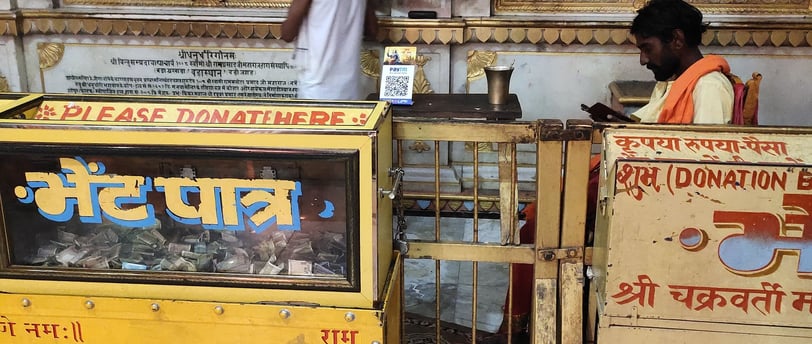
Introduction to Ayodhya's Digital Transformation
Ayodhya, a city steeped in spiritual and cultural heritage, is at the forefront of a significant shift towards digital innovation. This historic city, renowned for its ancient temples and rich traditions, is embracing modern technology to enhance the experience for devotees and tourists alike. One of the most notable aspects of this transformation is the implementation of QR code donations at temples. This move is part of a broader trend of digital transformation sweeping across India, aimed at promoting transparency, ease of access, and efficiency in transactions.
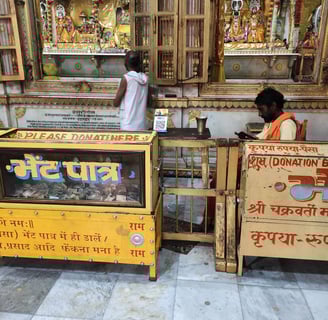
The introduction of QR code donations in Ayodhya's temples signifies a remarkable convergence of tradition and technology. Visitors can now contribute to their revered shrines using their smartphones, making the donation process seamless and less reliant on cash. This initiative not only facilitates easier donations but also aligns with the Indian government's push towards a digital economy. It reflects a growing trend where religious institutions are adapting to modern technologies to meet the evolving needs of their patrons.
Ayodhya's digital transformation is emblematic of a larger movement within India to integrate technology into various facets of daily life. The adoption of digital payment methods, including QR codes, is a testament to the country's commitment to fostering a cashless economy. By introducing QR code donations, Ayodhya is setting a precedent for other spiritual centers, demonstrating how age-old practices can be harmoniously integrated with contemporary technological advancements.
This initiative also highlights the changing landscape of financial transactions in religious contexts. As more temples in Ayodhya and across India adopt QR code systems, the benefits and challenges of this digital shift will become increasingly apparent. The following sections will delve deeper into the advantages and potential hurdles associated with this transition, providing a comprehensive understanding of Ayodhya's journey towards digital transformation.
Enhancing Transparency and Convenience
The implementation of QR code donations in Ayodhya temples marks a significant stride towards enhancing transparency and convenience for both devotees and temple management. With the integration of QR codes, the process of making donations has become remarkably straightforward. Devotees can simply scan a QR code displayed at the temple premises using their smartphones, which directs them to a secure payment gateway. This seamless process eliminates the need for carrying cash, thus reducing the risk of theft or loss.
For devotees, QR code donations offer unparalleled convenience. The ease of use is a significant factor, as most individuals are already familiar with scanning QR codes for various transactions. The ability to donate from anywhere, at any time, further adds to the convenience, making it possible for devotees to contribute even if they are unable to visit the temple in person. This has been particularly beneficial during the pandemic, ensuring that the flow of donations remains steady despite restrictions on physical gatherings.
On the management side, QR code donations ensure that every contribution is meticulously tracked and recorded. The transparency brought about by this digital transformation means that temples can maintain accurate records of all transactions, thereby enhancing accountability. The automated system reduces the possibility of errors that can occur with manual recording, ensuring that the donations are utilized effectively for the temple's activities and community services.
Several temples in Ayodhya have successfully adopted QR code donations, setting a benchmark for others to follow. For instance, the renowned Hanuman Garhi temple has reported a substantial increase in donations since implementing the QR code system. The temple management has emphasized that this method has not only streamlined the donation process but also provided them with valuable insights into donor patterns and preferences. Such examples underscore the positive impact of QR code donations on both operational efficiency and donor engagement.
Promoting Financial Inclusion
The introduction of QR code donations at temples in Ayodhya marks a significant step towards promoting financial inclusion within the community. By leveraging digital payments, these initiatives aim to integrate a greater number of individuals into the formal financial system, particularly those who have historically lacked access to traditional banking services. QR code donations simplify the process of giving, making it accessible to anyone with a smartphone and a digital wallet, thus bridging the gap between the unbanked and modern financial infrastructure.
For many residents, especially those in rural areas, the adoption of digital payments can serve as an entry point into the broader financial ecosystem. This shift not only facilitates easier and more transparent transactions but also opens doors to other financial services such as savings accounts, microloans, and insurance products. By participating in the digital economy, individuals can begin to build financial histories, which are crucial for accessing credit and other financial opportunities.
Moreover, the implications of this digital transformation extend beyond mere convenience. The increased use of digital payments contributes to economic empowerment by fostering a culture of financial literacy. As people become more familiar with digital transactions, they are also likely to develop a better understanding of financial concepts, which can lead to more informed decision-making regarding personal finance. This, in turn, can enhance the overall economic well-being of the community.
Additionally, the transparency and accountability associated with digital payments can help reduce instances of fraud and corruption, ensuring that donations are used for their intended purposes. This can build greater trust within the community, encouraging more people to contribute and participate in temple activities.
In essence, QR code donations at temples are not just about embracing technology for convenience; they are a catalyst for financial inclusion, economic empowerment, and the cultivation of a financially literate society. By democratizing access to financial services, these digital initiatives hold the promise of transforming the financial landscape of Ayodhya and similar communities.
Addressing the Digital Divide
The advent of digital transformation in Ayodhya's temples, particularly through QR code donations, marks a significant leap in modernizing traditional practices. While the benefits of such advancements are numerous, they simultaneously cast a spotlight on the existing digital divide. This divide highlights the disparities between those who can seamlessly adopt new technologies and those who struggle due to lack of access or skills. Identifying and addressing these challenges is crucial to ensure that all sections of society can participate equally in this digital shift.
One of the primary challenges is the lack of access to digital technologies. In many areas, especially rural regions, the infrastructure required for robust digital connectivity is either inadequate or nonexistent. This gap can be bridged by investing in infrastructure improvements, such as expanding high-speed internet access and providing affordable smartphones and other digital devices. Public-private partnerships can play a pivotal role in accelerating these initiatives, ensuring that even the most remote communities are not left behind.
Equally important is the digital literacy of the population. Many individuals, particularly older generations, may not possess the skills necessary to navigate digital platforms effectively. Community training programs can serve as a viable solution to this issue. Local governments, in collaboration with non-governmental organizations, can organize workshops and training sessions to educate citizens on using digital technologies. These programs can cover a range of topics, from basic smartphone use to more advanced applications like QR code payments, thus empowering individuals with the knowledge they need to participate in the digital economy.
Furthermore, fostering a culture of digital inclusion is essential. Encouraging younger, tech-savvy individuals to assist those less familiar with technology can create a supportive environment. Schools and community centers can act as hubs for digital education, promoting intergenerational learning and cooperation. By addressing both access and literacy, Ayodhya can ensure that its digital transformation is inclusive, benefiting all segments of the population and paving the way for a more equitable future.
Security Concerns and Solutions
As Ayodhya embraces digital transformation through QR code donations at temples, ensuring the security of these transactions becomes paramount. Digital donations, while convenient and efficient, come with inherent security risks that need to be addressed to maintain the trust of devotees. One of the primary concerns is the potential for fraud. Malicious actors can create counterfeit QR codes that redirect funds to unauthorized accounts. Additionally, data breaches pose a significant threat, as sensitive information, including bank details and personal data, can be intercepted and misused.
To mitigate these risks, implementing secure payment gateways is essential. These gateways act as intermediaries between the donor and the recipient, ensuring that transactions are conducted through secure channels. Payment gateways employ advanced encryption methods to protect data during transmission, making it difficult for cybercriminals to access or alter the information. Furthermore, regular security audits and compliance with international standards, such as PCI DSS (Payment Card Industry Data Security Standard), can enhance the overall security framework.
Encryption plays a crucial role in safeguarding digital donations. By encrypting data both at rest and in transit, temples can ensure that sensitive information remains confidential and secure. End-to-end encryption, in particular, ensures that only the intended recipient can decrypt and access the data. This method significantly reduces the risk of interception and data breaches.
Apart from technical measures, raising awareness among temple authorities and devotees is equally important. Conducting awareness campaigns can help educate stakeholders about the potential risks and the importance of verifying QR codes before making donations. Temple authorities can display guidelines and best practices for secure digital transactions, while devotees can be encouraged to use official apps or websites for donations.
By addressing these security concerns through a combination of technical safeguards and awareness initiatives, Ayodhya can ensure that digital donations via QR codes are both secure and efficient, fostering a trustworthy environment for all involved.
Rameshwaram Homestay's Embrace of Digital Innovation
Located in the historic city of Ayodhya, Rameshwaram Homestay offers a unique blend of tradition and modernity. As a Ramayana-themed accommodation, this homestay not only immerses guests in the rich cultural heritage of Ayodhya but also embraces digital innovation to enhance their stay. By integrating various digital technologies, Rameshwaram Homestay ensures that guests experience the best of both worlds.
The homestay has adopted several digital tools to streamline its operations and improve guest satisfaction. Online booking systems allow prospective visitors to easily reserve their stays, while digital check-ins facilitate a seamless arrival process. This shift towards a more digital approach has significantly reduced waiting times and improved efficiency. Additionally, the use of QR codes for in-room services and amenities ensures guests can access information and make requests with ease.
Despite the technological advancements, Rameshwaram Homestay remains deeply rooted in the traditions and culture of Ayodhya. The décor and ambiance of the homestay reflect the epic tales of the Ramayana, offering guests an immersive cultural experience. The staff, well-versed in the local history and traditions, provide personalized tours and storytelling sessions, bridging the gap between the past and the present.
Moreover, the homestay's commitment to sustainability is evident through its digital initiatives. By reducing paper usage and implementing energy-efficient technologies, Rameshwaram Homestay aligns itself with contemporary environmental standards without compromising on the cultural essence that defines it. This harmonious coexistence of tradition and technology sets a precedent for other accommodations in Ayodhya, demonstrating that modernization need not come at the expense of heritage.
Rameshwaram Homestay's embrace of digital innovation exemplifies how traditional establishments can evolve with the times while retaining their cultural identity. By balancing modern amenities with a deep respect for Ayodhya's historical significance, the homestay offers a compelling case study of how digital transformation can enhance the guest experience while preserving the essence of tradition.
Ayodhya is undergoing a remarkable digital transformation, blending its rich spiritual heritage with modern technology. This shift is particularly evident in the introduction of QR code-based donations at temples, including the iconic Ram Mandir. Here's an analysis of this development and its implications:
Digital Donations: Convenience and Transparency
The adoption of QR code-based donations at Ayodhya's temples, including the Ram Mandir, marks a significant step towards digital financial inclusion[4][7]. This system offers several advantages:
- Convenience: Devotees can now make donations effortlessly using their smartphones, eliminating the need for cash transactions[3].
- Transparency: Digital transactions create a clear audit trail, enhancing financial accountability[3].
- Accessibility: The system allows people from across the world to contribute to the temple's development[4][7].
## Broader Digital Transformation
Ayodhya's digital evolution extends beyond temple donations:
- Digital Payments: From boatmen on the Saryu River to vendors selling puja items, digital transactions are becoming commonplace[3].
- Infrastructure Development: The city is witnessing rapid development in roads, car parks, and riverfront areas, all supported by digital systems[3].
- Smart City Initiatives: Ayodhya is being developed as a Spiritual Centre, Global Tourism Hub, and a sustainable Smart City[3].
## Rameshwaram Homestay: Bridging Tradition and Modernity
Rameshwaram Homestay, a government-approved accommodation in Ayodhya, exemplifies the city's blend of tradition and modernity:
- Location: Situated 6.7 km from the Shree Ramjanmbhoomi Temple[2].
- Theme: Likely offers a Ramayana-themed experience, aligning with Ayodhya's spiritual significance.
- Digital Integration: As part of Ayodhya's digital ecosystem, the homestay likely embraces digital payments and online bookings[2][8].
Implications and Considerations
While the digital transformation brings numerous benefits, it also raises some concerns:
- Digital Divide: There's a need to ensure that less tech-savvy individuals are not excluded from participating in religious activities[3].
- Security: As digital transactions increase, robust cybersecurity measures become crucial to protect user data and prevent fraud[4][10].
- Cultural Preservation: While embracing modernity, it's essential to maintain Ayodhya's cultural and spiritual essence[3][9].
Ayodhya's digital transformation, exemplified by QR code donations and establishments like Rameshwaram Homestay, represents a harmonious blend of tradition and technology. This evolution not only enhances the visitor experience but also positions Ayodhya as a model for sustainable development of spiritual tourism destinations. As the city continues to grow, balancing technological advancements with cultural preservation will be key to its success as a global spiritual and tourist hub.
Citations:
[1] https://srjbtkshetra.org/donation-options/
[2] https://www.makemytrip.com/hotels/rameshwaram_home_stay_government_approved-details-ayodhya.html
[3] https://www.expresscomputer.in/news/ayodhya-sublime-spirituality-to-digital-transcendence/107685/
[8] https://www.makemytrip.com/hotels/rameshwaram_guest_house-details-ayodhya.html
[9] https://blog.mygov.in/editorial/ayodhya-2-0-a-city-on-the-rise/
[12] https://www.justdial.com/Ayodhya/Digital-Transformation-Services/nct-11649222
[15] https://egov.eletsonline.com/2024/04/ayodhyas-transformative-journey-towards-development/
Experience
Discover the spiritual essence of Ayodhya at Rameshwaram Homestay.
Contact Us
Our Address
Debashish, 9/2/69
Mahajani Tola, Ayodhya
Uttar Pardesh- 224001
© 2024. All rights reserved.